


















From Giri to Self-Love: How Valentine’s Chocolate Culture Is Changing in Japan
Japan’s Valentine’s Day culture has always been peculiar, with men receiving gifts from women instead of the other way around. But even that’s evolving into something more distinctive. This post explores the latest Japanese chocolate trends and their impact on Valentine’s Day traditions. Find out what’s the same and what’s fading in 2026.
The Evolution of Valentine’s Day in Japan

The Valentine’s chocolate traditions in Japan began in 1953. Morozoff, a confectionary company, launched a series of campaigns that urged people to share heart-shaped chocolates as a Valentine’s Day gift. However, a translation error in the earliest campaigns suggested that women do the gifting.
At the time, it was rare for a woman in the country to confess her love for a man. Hence, Japanese women embraced this culture as an opportunity to express feelings without stigma. As the movement gained popularity and other confectioneries launched similar campaigns, it became an obligation for women to give Valentine’s chocolate to all of the men in their lives, including friends, coworkers, bosses, and romantic partners. However, there was a clear distinction between obligatory and romantic chocolate gifts.
Today’s traditions favor more expressive and personal interpretations of Valentine’s chocolate. Women can give chocolates to their girlfriends, family, and even themselves. They can also receive similar gifts from men.


Understanding Giri Choco vs. Honmei Choco—And What’s Fading

The two most common types of Valentine chocolates are giri choco and honmei choco. “Obligation chocolate,” also known as giri choco, is a customary gift given to male colleagues, coworkers, and friends. It’s a gesture of politeness, respect, and appreciation. Giri choco is rarely expensive, and most women get a large box of chocolate and share its individually wrapped content.
Honmei choco, or “true feeling chocolate,” is a special gift given to romantic interests. Boyfriends, husbands, lovers, and crushes all fall under the category of recipients. The gifts are either store-bought or homemade by the woman. Store-bought honmei choco tends to be of high quality and may be expensive.
Recent Changes In Japanese Consumer Preferences

Younger audiences have raised concerns about the traditional nature of Japanese Valentine gifting and its rigid gifting rules. Some believe it has become less about love and more about obligation. As a result, most of the old traditions are losing relevance. The following facts highlight how the landscape has changed in recent years:
-
Women are giving each other tomo Choco (friendship chocolate), which they believe is more fun than obligatory gifts.
-
Some women prefer to only give fami choco (family chocolate) to their fathers and grandfathers.
-
Some men don’t wait for White Day to reciprocate but offer gyaku choco (reverse chocolate) to women on Valentine’s Day
-
Self-gifting (mai choco) has become more common in Japan today.
Why Self-Gifting Is Redefining Valentine’s Chocolate

“Treat yourself” culture is on the rise in Japan and other countries, especially among younger generations (Gen Z and millennials). Through self-gifting, an increasing number of young people are prioritizing personal enjoyment over social obligation. And it's not just singles—couples are also practicing self-gifting by getting mai choco (self-chocolate). This type of treat often features pricey, luxury Valentine chocolate sold by high-end brands. Women who indulge in this practice get to experience the joys of self-gifting. They are reminded of how love can come from within. Plus, they can get exactly what they want without hoping for others to get it for them.
Japanese Chocolate Trends Shaping 2026

Over the years, the Japanese chocolate market has evolved to match modern demands. We did some research and analysis to uncover the current trends. Many of these trends also affect other industries, especially those within the broader Japanese sweets market.
-
Bittersweet profiles: The adult market in Japan is craving more bittersweet flavors made with dark chocolate.
-
Premium ingredients: There is more demand for novel flavors and textures made from high-quality ingredients.
-
Small-batch production: Japanese people who participate in Valentine gifting favor artisanal products made in small batches. They believe the manufacturer pays more attention to detail when making limited-edition offerings in small batches.
-
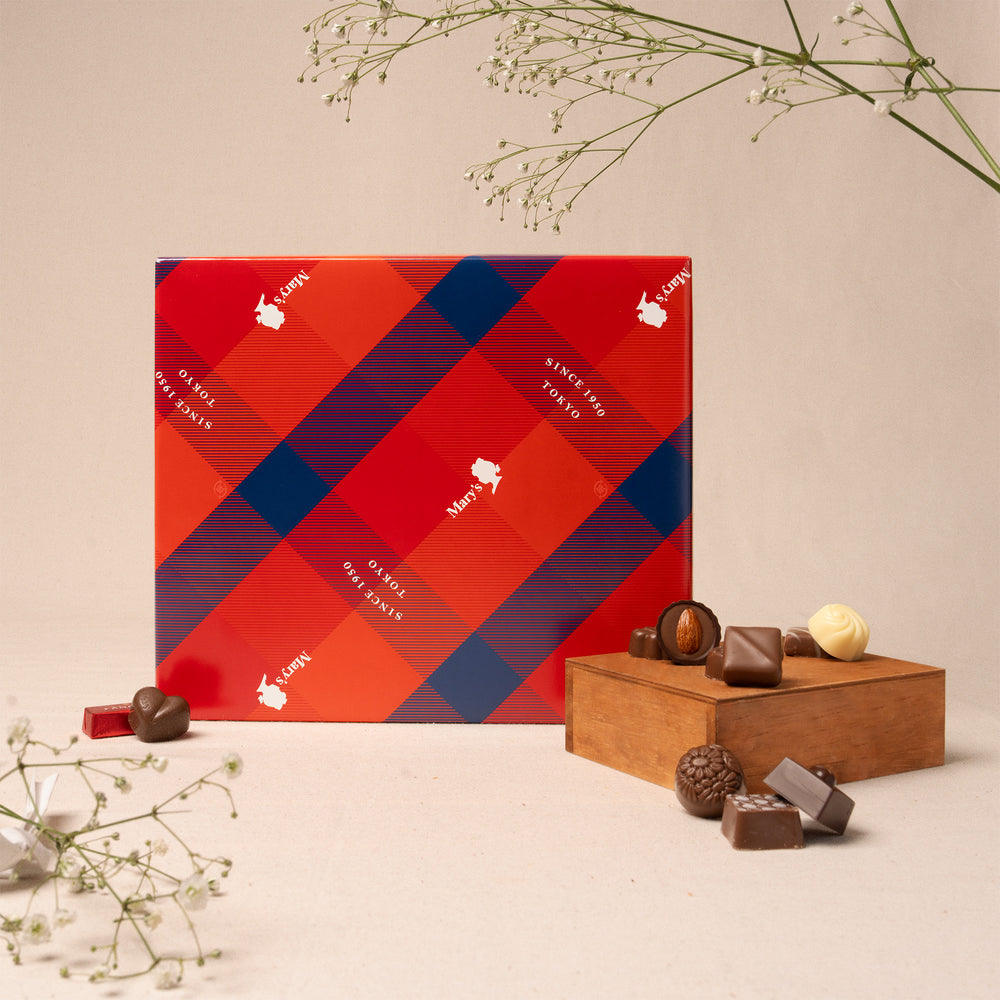
Aesthetic packaging: Japanese chocolates have always featured beautifully designed packaging, but recent environmental concerns have shifted expectations slightly. There is more focus on innovation and sustainability in modern markets.
-
Health-conscious products: Consumers are leaning towards products with higher cacao content because of their health benefits. Dairy-free, plant-based, and protein chocolates are some healthier options that have become more popular.
-
Online shopping: Thanks to the explosion of e-commerce platforms after the covid-19 pandemic, more people are shopping for Japanese chocolate online. Also, retail sales have skyrocketed in international markets compared to previous years.
Seasonal Chocolate as a Lifestyle Choice

Chocolate in Japan is not tied to romantic gifting alone. Other factors like season, mood, and lifestyle also affect its demand and consumption. Consumers tend to pick chocolate products that reflect the local tastes and emotions of the season. Hence, supermarkets and convenience stores promote seasonal chocolates through strategic shelf placements.
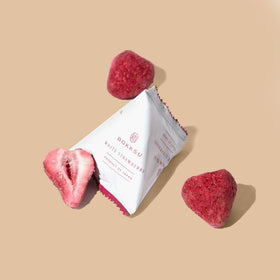
Manufacturers also highlight seasonality by creating limited-edition products that will be hard to find at another time of the year. For example, from January to April, strawberry and sakura (cherry blossom) sweets dominate the market. Chocolatiers also understand the need to satisfy consumers with specific dietary choices. For instance, you can find 100% vegan-friendly chocolate made with oat milk or coconut milk.
Chocolate, Identity, and Modern Japanese Pop Culture

Several aspects of modern Japanese culture affect chocolate consumption and gifting behavior, especially in the Valentine season. There are themed restaurants known as anime cafés in popular culture. In them, you’ll find treats and immersive dining experiences themed around specific shows, cartoon characters, or genres. These restaurants often use chocolate as a main ingredient or topping for crepes, parfaits, and other desserts.
Confection companies secure collaborations with fashion brands to produce snack-themed shows and exhibitions that appeal to the mainstream market. Also, people choose Instagrammable products with stunning packaging and unique flavors. Thanks to the power of social media, their mobile phones are all they need to share the chocolatey experience with the world.
The Role of Craftsmanship in Japanese Chocolate Confectionery
Japan’s meticulous approach to chocolate-making is one that features several important stages. It all starts with ingredient sourcing. Chocolate makers import the finest cocoa beans and other raw materials from tropical areas. They blend those cocoa beans with exotic ingredients to create standout flavors. As part of Japan’s food culture, they pay close attention to detail while creating the intended flavor and flavor balance.
Japan’s chocolate makers prefer to focus on restrained sweetness. A lot of their products are bittersweet, making them more addictive and fostering brand loyalty. The strategy of offering balance plays a crucial role in how companies like Tokyo-based Meiji Holdings and Korean corporation Lotte grew to become international brands. Examples of popular flavors infused in Japanese chocolate are matcha, yuzu, and kinako.
Valentine’s Beyond Romance: Friends, Solo Nights, and Quiet Luxury

Valentine’s Day in Japan has expanded beyond its romantic context. It has become an opportunity to indulge in a self-care night where you get to unwind. Prioritize your well-being and create a relaxing ambiance. Think scented candles, incense, and soft music. Make sure you have your favorite chocolate treat and other self-care items readily available. You can also share gifts with your friends, family, neighbors, or community. Show them how much you respect and care about them by offering well-packaged treats. Valentine’s Day offers a chance to practice minimalist indulgence. You can enjoy a simple picnic, snack by the fireplace, cook a meal, take a bubble bath, or watch a movie on the couch.
How Bokksu Boutique Fits into the New Chocolate Mindset

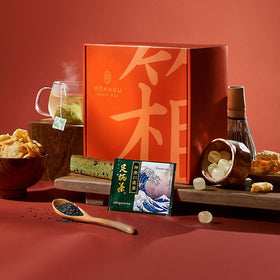
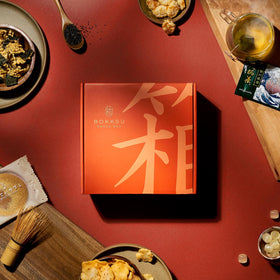
Bokksu Boutique is a curator of Japan’s evolving chocolate culture. Unlike your regular online gift store, we offer access to seasonal and trend-driven sweets without the pressure of traditional gifting norms. Our product list includes premium chocolate bundles and assortments. We also offer a diverse range of self-care items that are perfect for a cozy night indoors. You can get presents for yourself or loved ones, as many items in our collections can serve endless purposes. From bittersweet profiles to aesthetic packaging, our products match the latest trends in the Japanese chocolate market.
Where to Find Exceptional Japanese Chocolate—Without Valentine’s Pressure and Sugar Confectionery

Japanese department stores, supermarkets, and convenience stores are fantastic places to find rare chocolate for special occasions. But if you want to avoid all of the pressures and expectations that come with Valentine’s Day, you can stay home and safely order chocolate online via Bokksu Boutique. We are the best gifting brand for finding authentic Japanese gift boxes, including snacks and sweets bundles. Check out the Valentine’s Day collection on Bokksu Boutique. You’ll find premium chocolate, heartfelt cards, self-care items, and delicious snacks on our pages. No matter your location, we will deliver to your home.


-
Trending Posts
-
Author Bio
More from the blog
View all


